
Polystichum setiferum herrenhausen, also known as soft shield fern, is a bushy, semi-evergreen fern originating from Germany. It belongs to the Dryopteridaceae family and it gets its name from a german royal family.
This fern possesses a low mound of soft, overlapping dark green fronds that are often regarded as pinnate or feather-like and measure roughly 4.9 feet in length. It is hardy and tolerates temperatures as low as -15 degrees Celsius.
IN THIS ARTICLE
How to grow and care for polystichum setiferum herrenhausen?
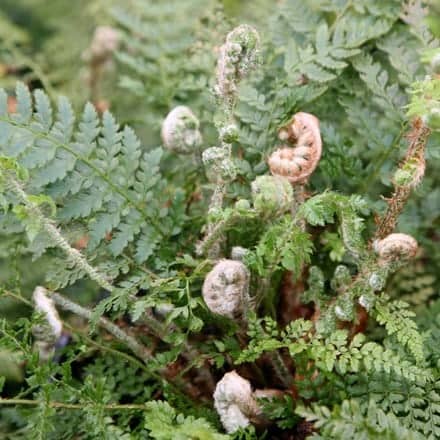
Polystichum setiferum (Divisilobum Group) Herrenhausen
The ideal time to plant Polystichum setiferum herrenhausen is in spring or autumn. It is usually planted along borders, in rock gardens or containers. If you choose to grow this fern extensively, three plants per square metre are the right way to go. Put some organic mulch at the base of the plant after the planting process is done. This will help retain moisture.
Watering should be done regularly especially in summer to ensure the soil remains moist. Apply a well-mixed liquid fertiliser monthly to help the plant grow without disrupting its flow of nutrients.
Pruning simply involves taking out brown or withered fronds in spring. Do not do this in winter because the fronds are responsible for the fern bed structure.
Where should I position polystichum setiferum herrenhausen in my garden?
Polystichum setiferum herrenhausen can be placed in an exposed area because it is hardy and needs no protection during winter. It could be partial or full shade facing north or east since much exposure to sunlight can cause the fronds to turn yellow.
What is the height and spread of polystichum setiferum herrenhausen?
Polystichum setiferum herrenhausen has a slow growth rate. It attains a height of 60cm and a spread of 90cm in a period of two to five years. Reaching its maximum height of 4.9 feet in about 20 years.
What is the best soil type for polystichum setiferum herrenhausen?
The perfect soil for growing Polystichum setiferum herrenhausen is evenly moist and free draining. Any soil type can be used but it is more commonly planted in neutral, acidic, or alkaline clay soil.
